Workload intelligence
Profile the model at the operator, memory, precision, and dataflow level before committing to an architecture.
AtlasLabs develops AI-ready ASICs around the models that matter: specialist systems for science, industry, and machines that cannot rely on general-purpose compute.
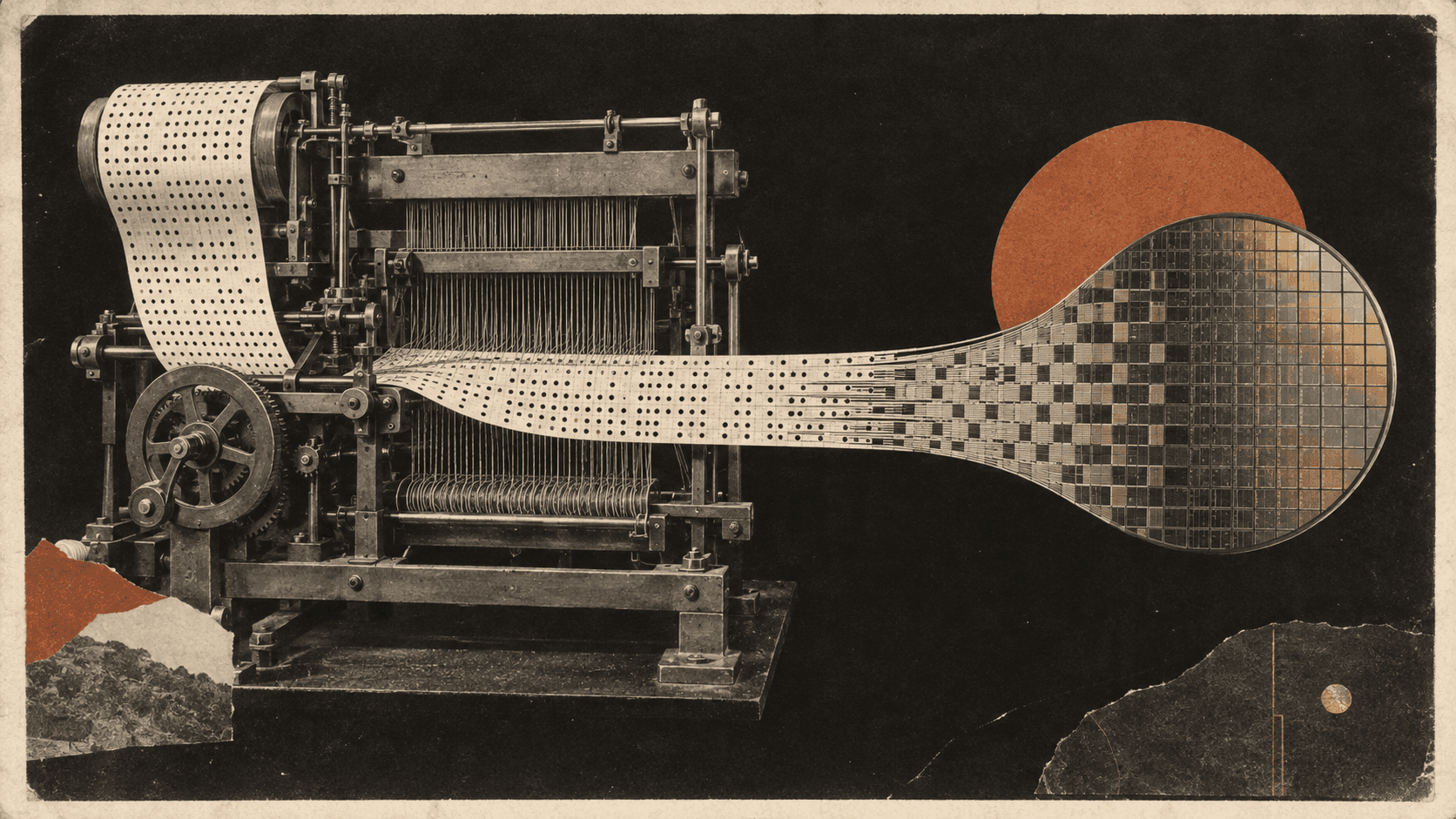
General-purpose accelerators are designed for broad utilization. We develop ASICs for the moment a workload becomes valuable enough—and constrained enough—to deserve its own machine.
Domain experts, model researchers, compiler engineers, and hardware teams work from the same workload evidence. The model becomes the specification: its operators, memory movement, precision, latency, thermal limits, and failure modes.
Profile the model at the operator, memory, precision, and dataflow level before committing to an architecture.
Shape the model and accelerator together so each trade in accuracy, latency, power, and area is made deliberately.
Move from architecture study to an AI-ready ASIC envelope, compiler target, runtime, and production evidence.
Google DeepMind's AlphaFold showed what can happen when a model is designed around the structure of a scientific problem. Triformer applied the same specialist instinct to long-horizon multivariate forecasting, using triangular, variable-specific attention to improve efficiency.
AtlasLabs takes that logic into silicon. We study the architecture that makes a model exceptional, then develop the dataflow, memory hierarchy, numerical formats, compiler surface, and accelerator blocks that let it become a dependable machine.
Read the Triformer paperFour domains, each with different data, operators, tolerances, and physical limits. None should inherit its compute architecture by accident.
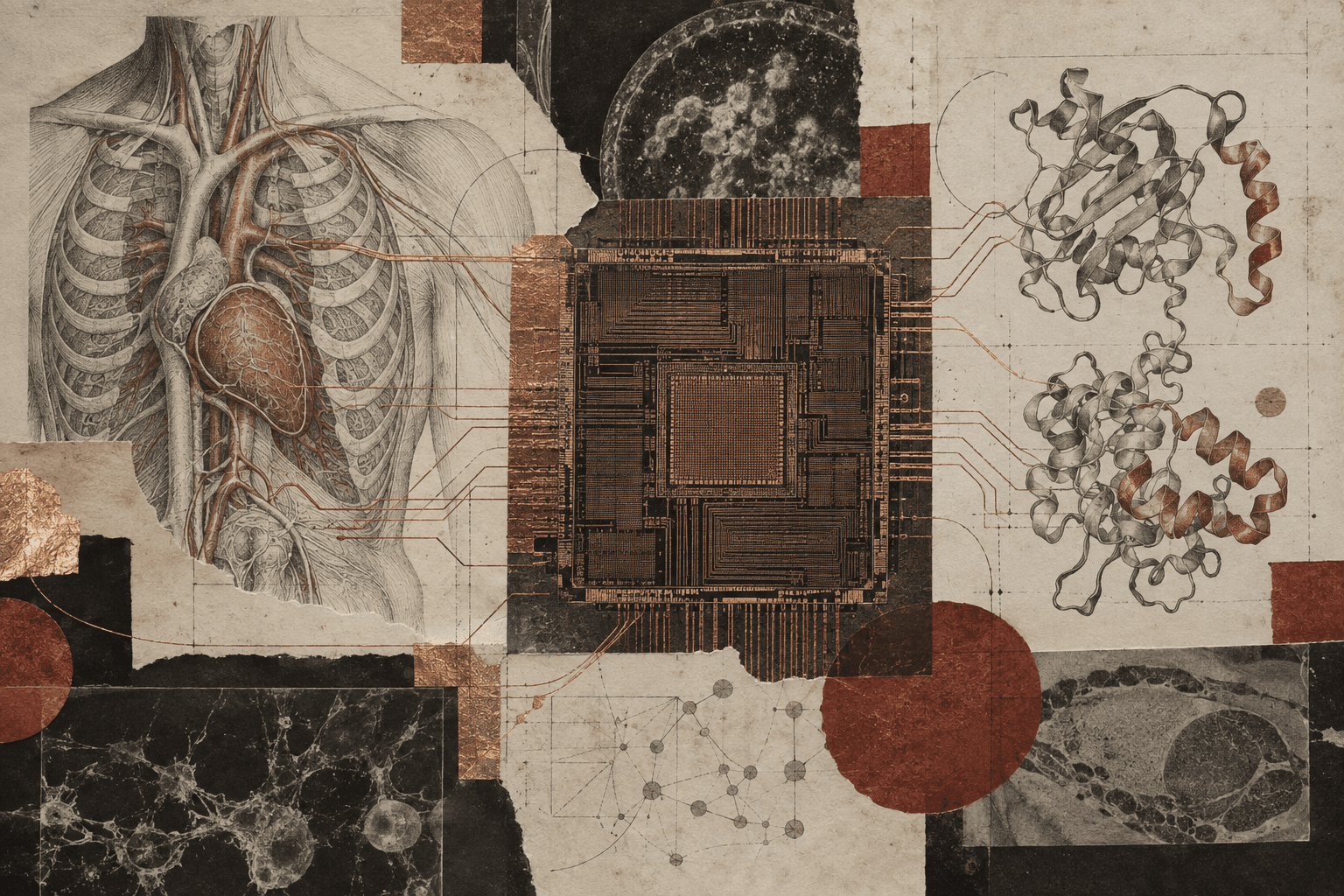
AI-ready silicon for protein models, genomics, medical imaging, and multimodal clinical inference—where throughput matters, but confidence and data locality matter more.
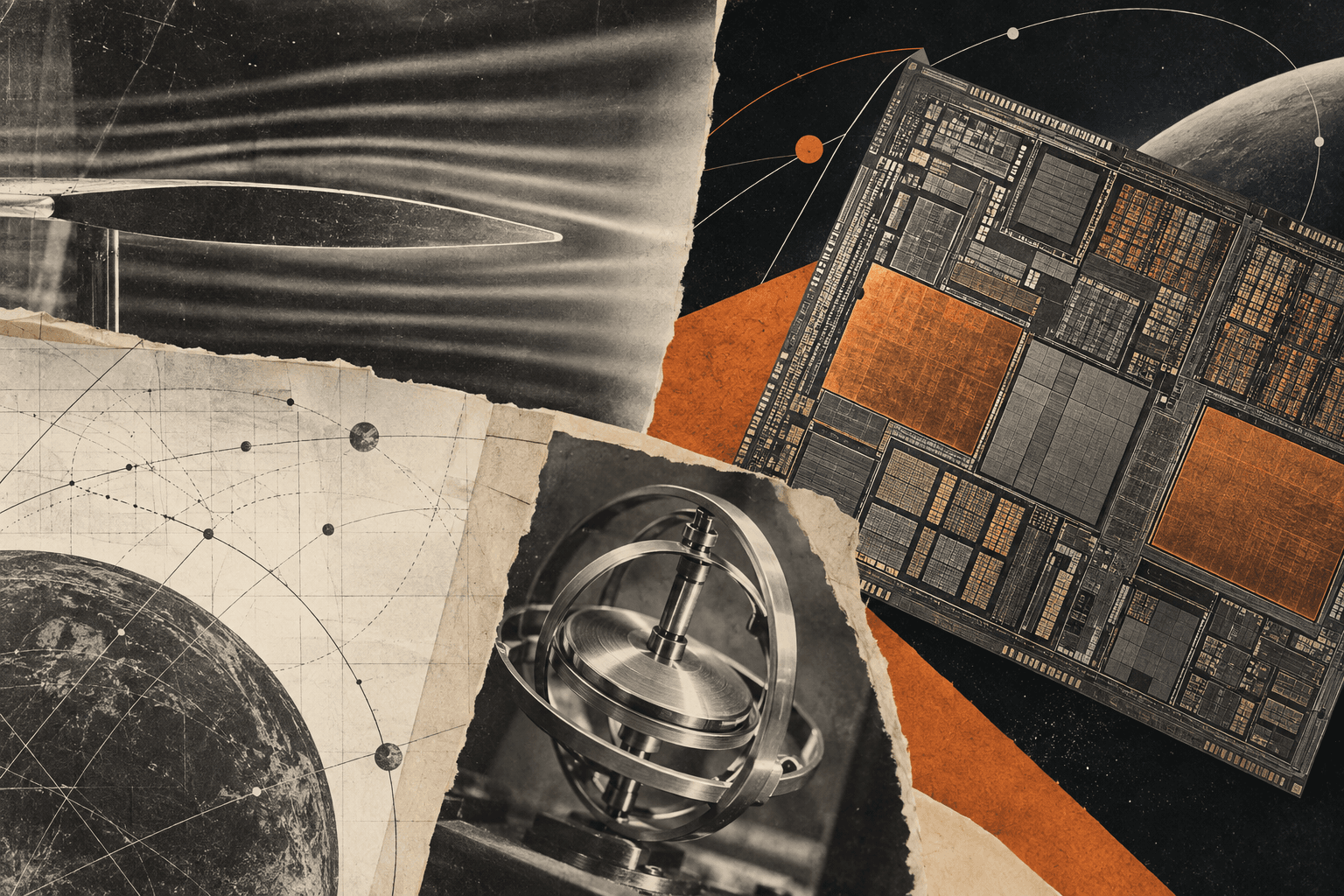
Deterministic, power-aware compute for autonomy, navigation, sensor fusion, and long-horizon telemetry at the edge, including environments where the cloud is not an option.

Purpose-built inference for private and embedded language systems, tuned around context, memory bandwidth, quantization, and the latency profile of the actual product.
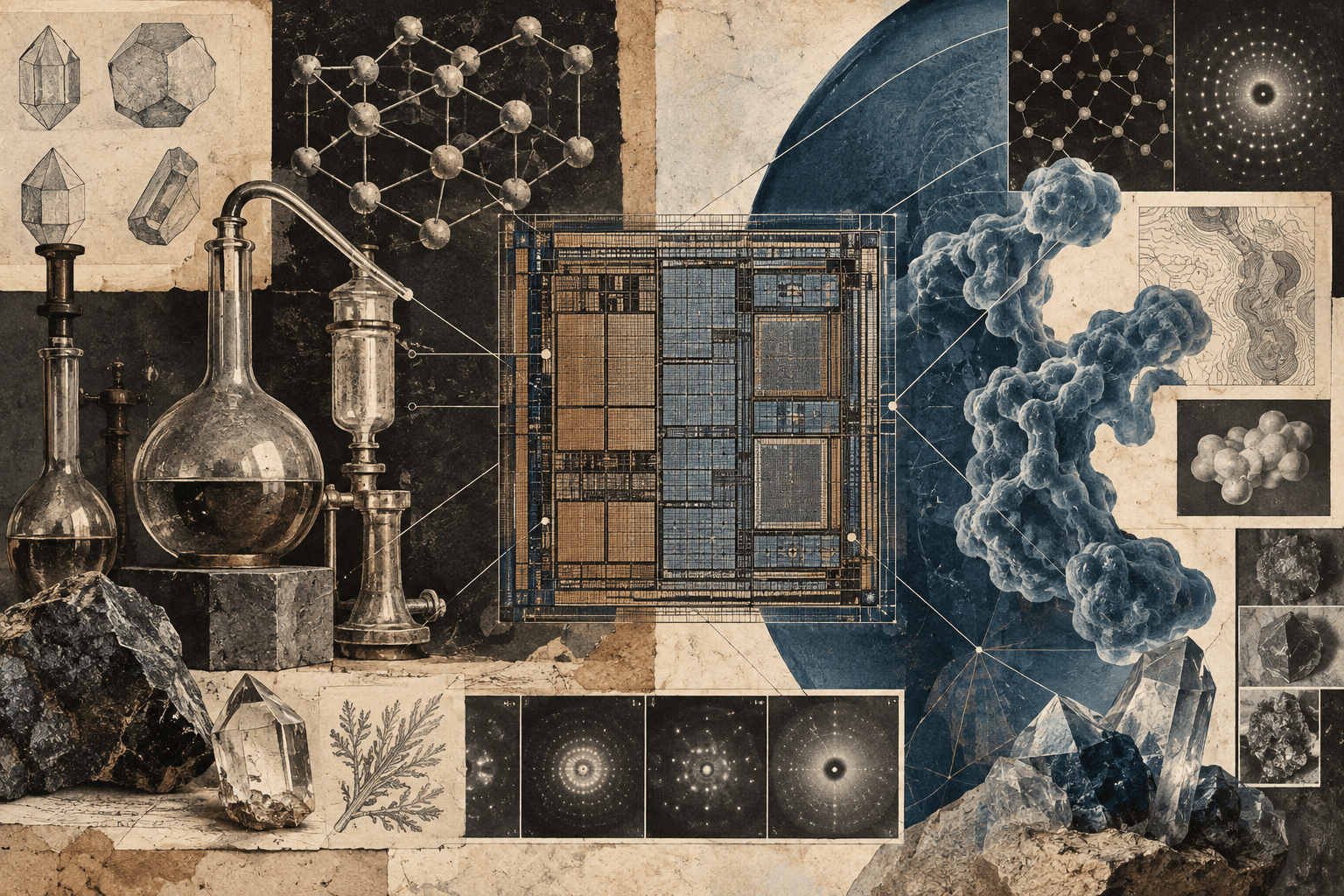
Specialist acceleration for molecular property prediction, reaction modeling, materials search, and the graph and geometric workloads behind computational discovery.
AI-ready ASICs get better when the workload, the model, and the hardware can answer each other before the expensive decisions harden.
Tell us where the system has to run, what it must know, and what failure costs. Atlas turns that into a model brief and an evaluation plan.
Researchers and hardware teams test architecture, data, precision, memory, and dataflow decisions against the same workload.
The result is a deployable model and runtime with traceable accuracy, latency, power, and cost—not a promising demo that changes later.
“The future of AI is not only a better model. It is a machine whose architecture carries the model's insight all the way into the physical world.”
A principle for every Atlas program
Start with the task, the hardware, the data, or the constraint. Atlas will help shape the first build plan.